Interconnection
What actually fails a Rule 21 fast track screen
Most commercial projects clear the screens. The ones that don't usually fail for reasons you could have discovered for a few hundred dollars in week one.
The screens exist to sort the easy from the hard
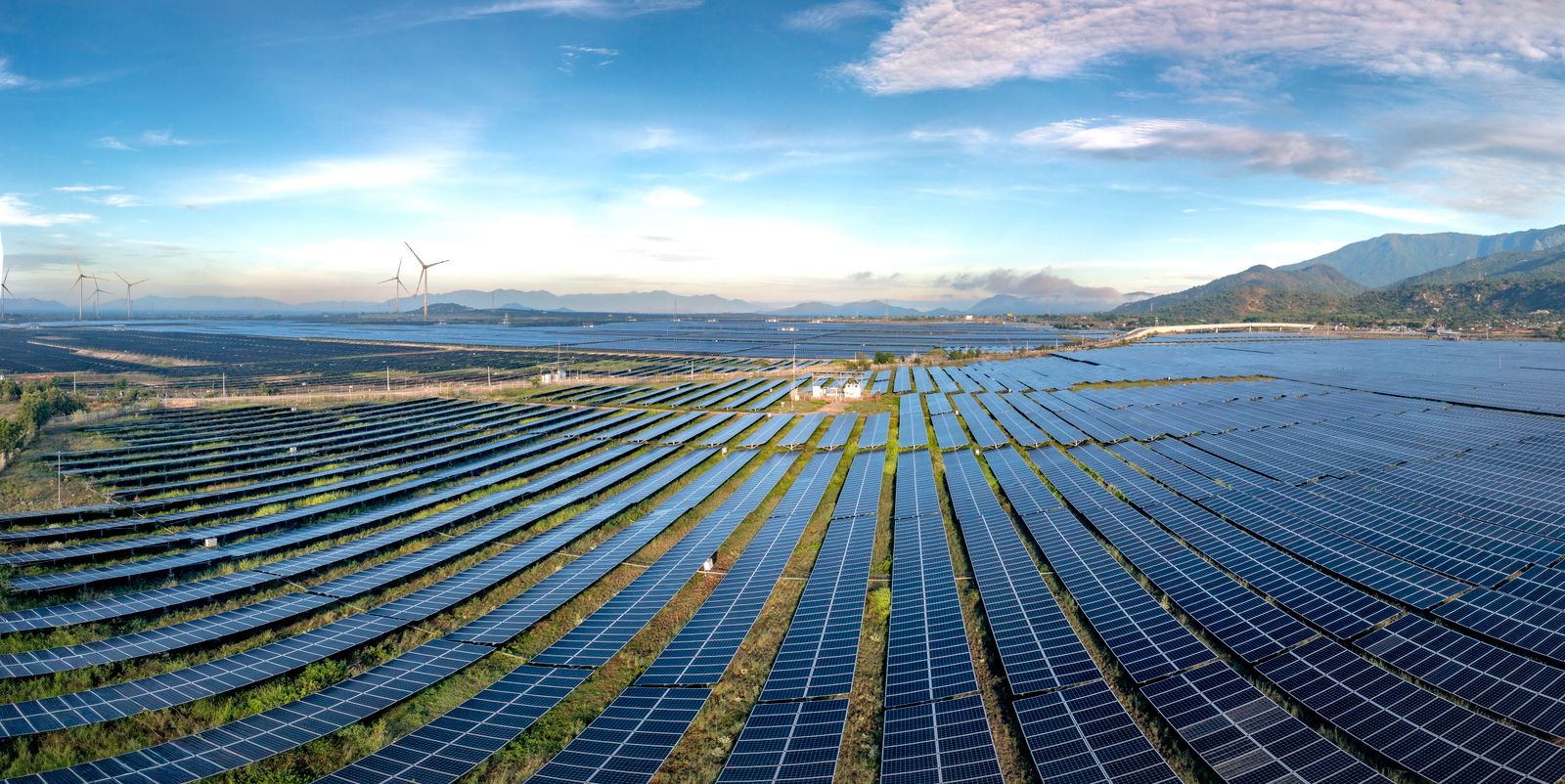
California's Rule 21 interconnection process has a fast track for projects that clearly will not cause a problem on the distribution circuit. It is a defined list of pass or fail tests. Clear them all and you go straight to an interconnection agreement without studies.
That is worth real money and real calendar time. A project that clears the screens can be energised months earlier than one that ends up in a distribution study, and the study itself carries a fee the customer pays.
So the useful question is not what the screens are, but which one your project is most likely to fail, and what you can do about it before you apply.
Penetration against the line section
The screen most projects bump into compares the aggregate generation on the line section against the section's load. The commonly cited threshold is aggregate generation staying below 15 percent of the line section's annual peak load, although the rules provide other paths for projects that exceed it.
Note the word aggregate. This is not your project alone. It is your project plus everything already interconnected on that line section. On a rural circuit in Kern County that already serves three or four agricultural arrays, the capacity is often largely spoken for before you arrive.
You cannot see this from your own site. You can see it for a modest fee in a pre-application report, which is precisely why we file for one before finalising a design.
Equipment ratings and the point of connection
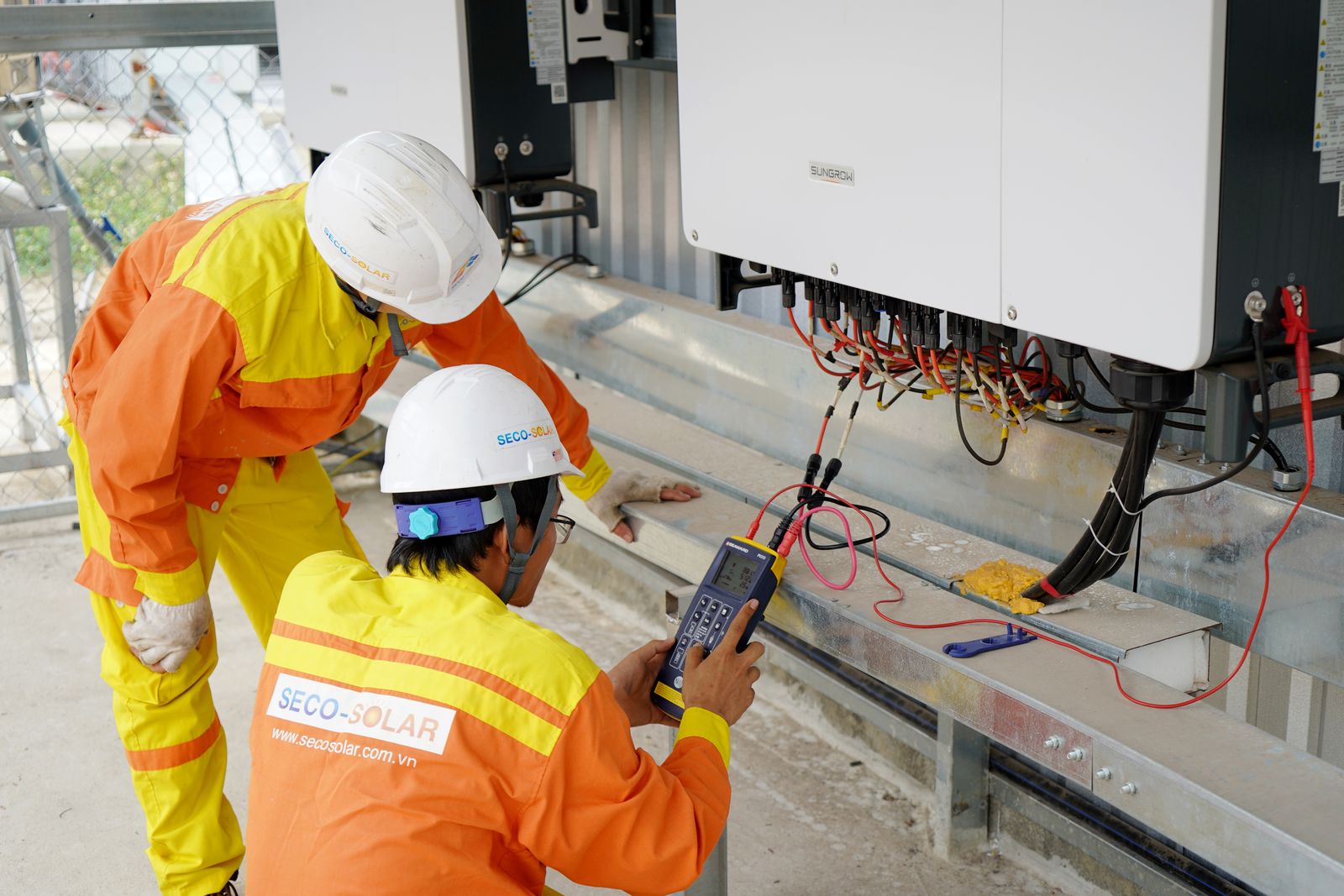
Other screens test the physical equipment. Does the service transformer have the rating to handle the reverse flow? Are the conductors adequate? Is the point of connection on a spot network, which is a substantially harder case?
There is also a screen on whether the proposed generation could cause a voltage rise beyond tolerance at the point of common coupling, which becomes more likely the further you are from the substation and the lighter the local load.
Most of these are discoverable, and some are solvable with a design change rather than a study.
What we change when a screen fails
A failed screen sends the project to supplemental review, which is a closer look rather than a full study. Many projects clear it with a small change, and those changes are usually cheaper than the study they avoid.
The most common is an export limit: the system is configured so it cannot export more than an agreed kW to the grid, using inverter controls and protective settings. On a facility with a strong daytime load, an export limit can cost very little generation because most output is consumed on site anyway.
Others include reducing the AC rating while keeping the DC array, adjusting the inverter power factor setting, or adding protective relaying. Which one applies depends on which screen failed and why.
- File a pre-application report before the design is fixed. It is the cheapest risk reduction in the project.
- Check inverter certification against the current UL 1741 supplement. Uncertified equipment is an avoidable rejection.
- File the interconnection application in the same week as the building permit set so the clocks run in parallel.
- Expect supplemental review to resolve with a design condition rather than a study, but budget the calendar for it.
The schedule reality
On our projects, construction is the predictable part. Design is predictable. Procurement is mostly predictable. The utility process is the variable that sets the energisation date more often than anything else.
That is why we file early and report on it monthly, even when there is nothing to report. A client who knows the application is sitting in a queue is in a different position from one who assumes the project is moving.
This is a demonstration website. Figures quoted in this article are illustrative.