You control the geometry
Choose tilt and azimuth for the bill you actually have: due south for maximum annual kWh, or west of south to push output into the expensive late-afternoon hours.
Commercial solar EPC since 2014
Kern County / Tulare County / Kings County / Fresno County
(661) 555-0183Solution
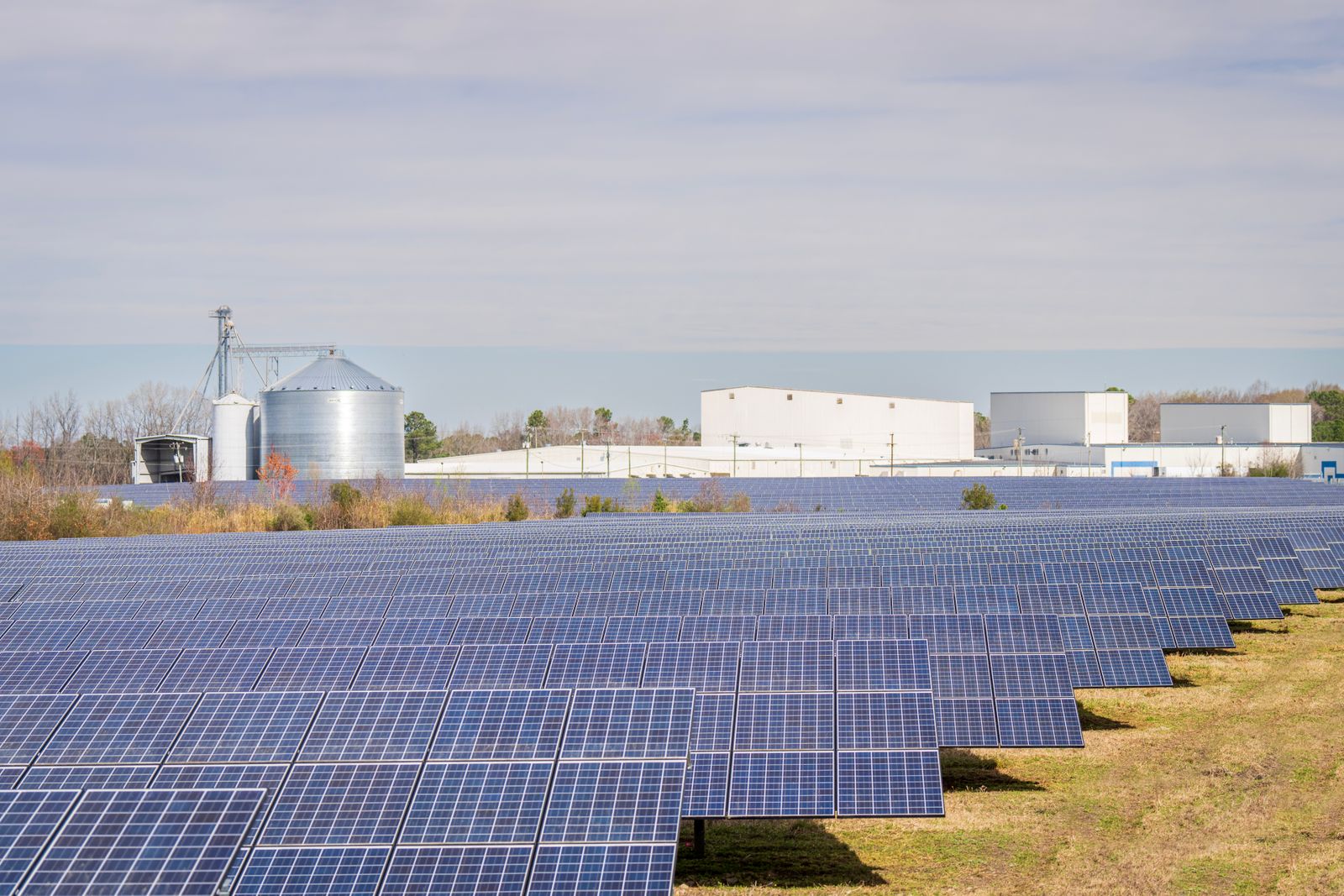
When the roof runs out, the ground takes over. Ground-mount is where row geometry, soil and the interconnection queue decide the project, long before anyone talks about modules.
Overview
Ground-mount gives you the one thing a roof cannot: you choose the tilt and the azimuth. That freedom is worth real energy, and it is why every ground-mount design we produce starts with a yield table rather than a module count.
Two structures dominate. Fixed-tilt racking on driven piles is cheaper per watt, simpler to maintain and predictable. Single-axis trackers rotate the rows through the day and typically lift annual specific yield by roughly 15 to 22 percent in this latitude band, at the cost of moving parts, more land per kW and a real maintenance line item.
Soil decides the foundation. We run a geotechnical investigation with pile pull tests before the racking is ordered: hardpan layers in parts of Kern County can stop a driven pile dead, which turns a driven-pile job into a ground-screw or ballasted-footing job and changes the civil budget significantly.
Scope of supply
Sequence
Parcel geometry, slope, flood zone, distance to a three-phase line and the utility's hosting capacity map, all before a proposal is written.
Tilt, azimuth and row pitch modelled together so you can see what an extra metre of row spacing is actually worth.
Borings, pull tests and a grading plan. This is the stage that protects the schedule.
Rule 21 application filed early because the study timeline, not the build, usually sets the energisation date.
Piles, racking, modules, DC collection, inverters, MV work, commissioning and the utility witness test.
Why it works
Choose tilt and azimuth for the bill you actually have: due south for maximum annual kWh, or west of south to push output into the expensive late-afternoon hours.
A 4 MW pumping load is not going on a shop roof. Ground-mount is how agricultural and district-scale loads get covered.
Washing, module replacement and IV testing happen from the ground with no roof access, no fall protection plan and no hatch keys.
Sheep grazing under raised fixed-tilt rows and pollinator seeding between rows are both live options on Valley sites.
What moves the price
| Factor | Effect on the project |
|---|---|
| Ground coverage ratio | Tighter rows fit more kW on the parcel but lose winter mornings and afternoons to inter-row shading |
| Soil and hardpan | Refusal on driven piles moves you to ground screws or ballasted footings and adds materially to civil cost |
| Distance to interconnection | Every additional 1,000 feet of medium-voltage run is real copper, trenching and loss |
| Tracker versus fixed tilt | Trackers buy roughly 15 to 22 percent more annual kWh and cost more land, capital and annual maintenance |
| Utility study outcome | A failed Rule 21 screen can trigger a supplemental review or distribution upgrade with its own cost and calendar |
Often paired with
 Battery storage and demand managementDemand shaving, time-of-use shifting and backup for the circuits that matter.Open
 Monitoring and O&MInverter-level telemetry, scheduled washing and warranty claims that get paid.Open
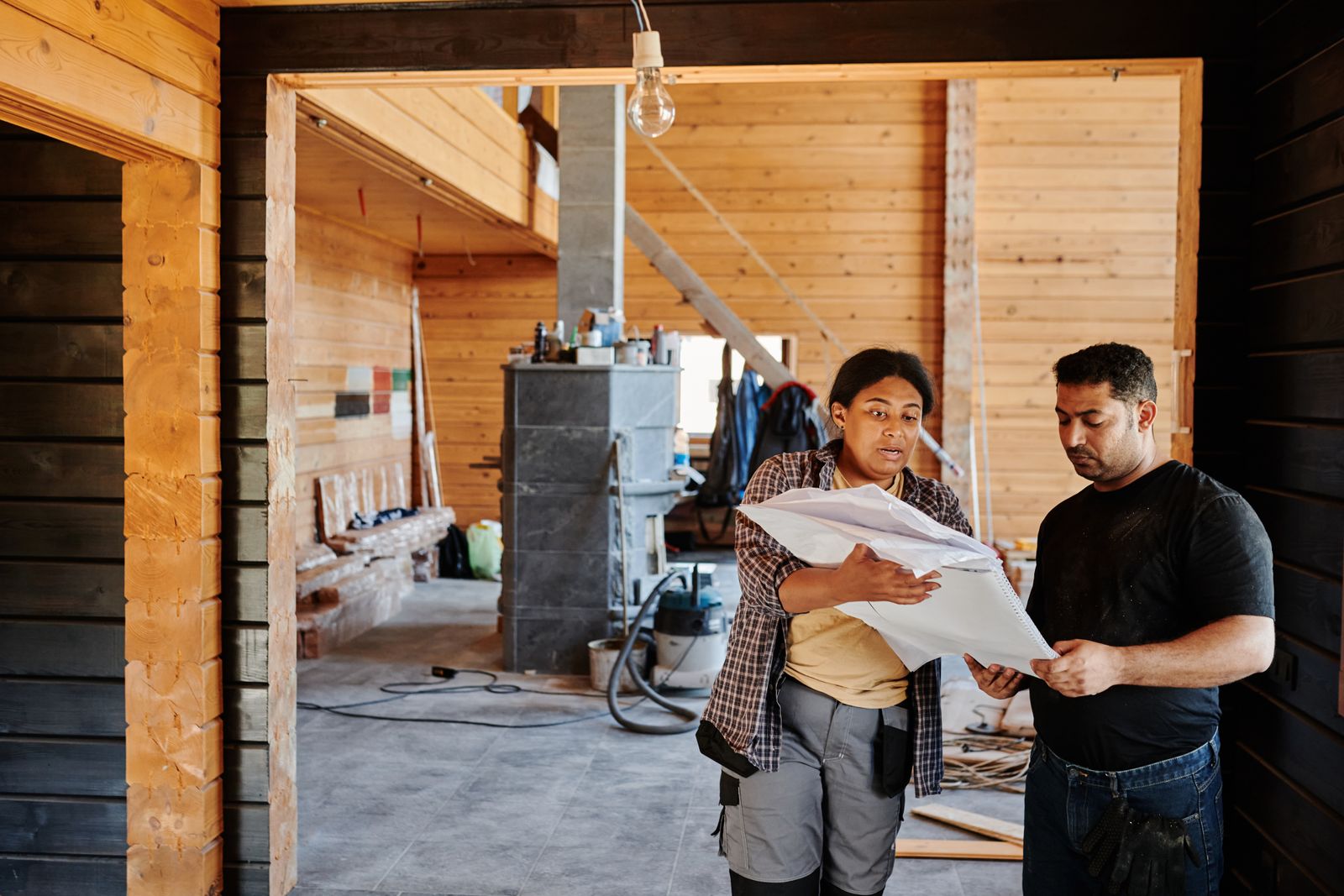 Energy audits and load studiesInterval-data analysis before anyone draws an array.Open
Answers
Not covered here? Our engineers answer directly, not through a call centre.
Ask a question(661) 555-0183Allow roughly 4 to 5 acres per MW DC for fixed tilt at a normal ground coverage ratio, and 6 to 8 acres per MW DC for single-axis trackers, which need wider row pitch. Setbacks, access roads and storm-water basins sit on top of that.
Trackers win on annual kWh and on afternoon output, which matters under a time-of-use tariff. Fixed tilt wins on capital cost, simplicity and maintenance. Below roughly 1 MW the tracker premium rarely pays back; above it the answer depends on your tariff.
Yes. Raised fixed-tilt rows at a higher clearance suit sheep grazing, and the inter-row strips can be seeded. Fully cropping between rows is harder because of equipment clearance and the shadow band.
Interconnection, almost always. Design and construction are predictable. The utility study queue is not, which is why we file the Rule 21 application before the geotechnical report comes back.

Every project starts with twelve months of interval data and a load shape. The array comes after that, sized to what you actually use.
CSLB #1071482 (sample). Prevailing wage on public works. Engineers answer, not a call centre.
We value your privacy
We use cookies to run this site, remember your preferences and understand how it is used.Cookie policy