Excellent daytime coincidence
Afternoon compressor duty lines up with afternoon generation, so self-consumption is high.
Commercial solar EPC since 2014
Kern County / Tulare County / Kings County / Fresno County
(661) 555-0183Industry
Refrigeration is the ideal solar load right up until it isn't. The compressors run all day, which is perfect. They also run all night, which is not, and they start against a demand charge that does not care that the sun was out.
The load
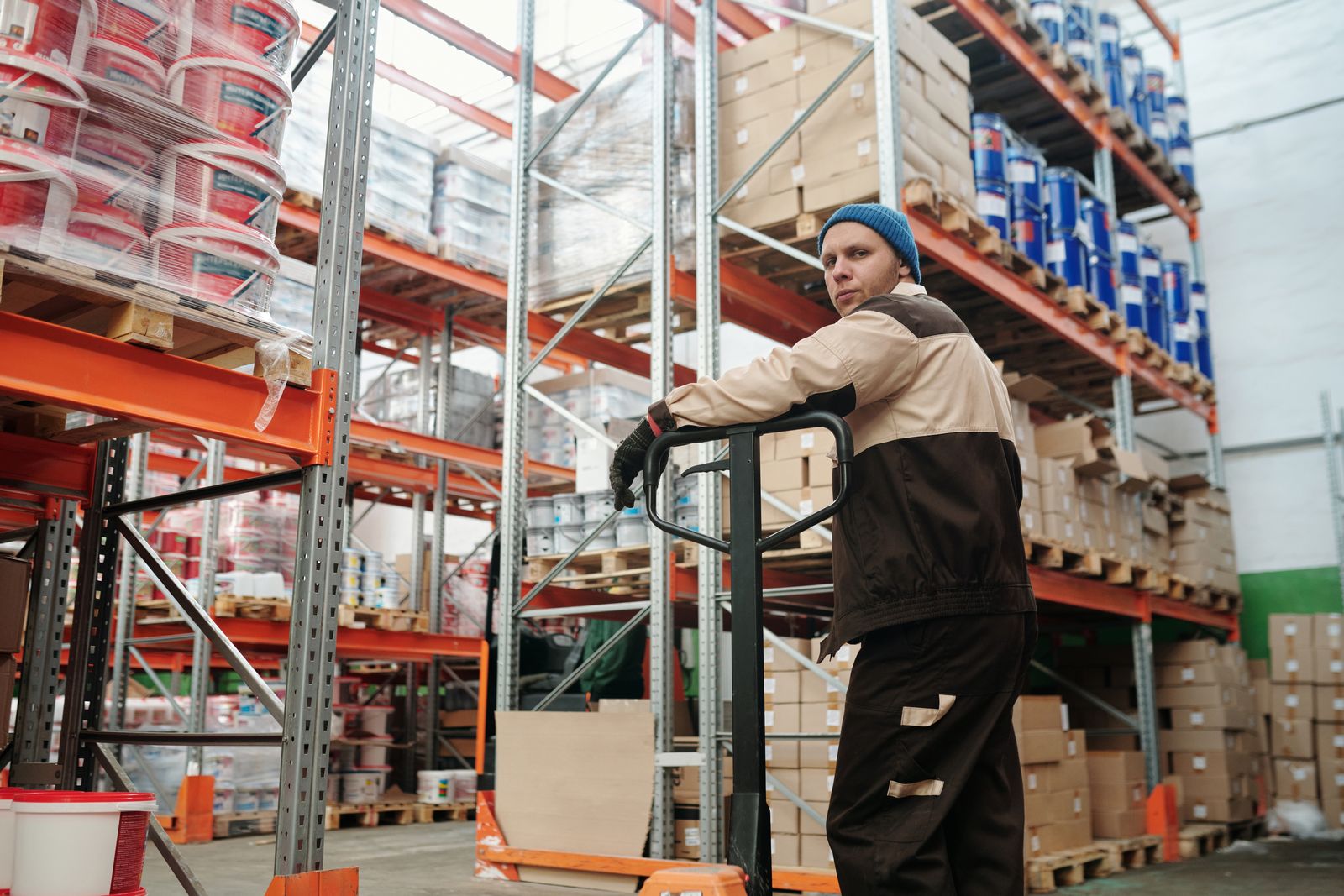
A cold storage facility has an excellent daytime coincidence with solar generation. Ambient heat and compressor duty both peak in the afternoon, so a large share of every generated kWh is consumed on site at full retail value rather than exported at a lower credited rate.
The complication is the night. Refrigeration does not switch off at sunset, so a cold store carries a substantial overnight base load that solar alone cannot touch. That is where storage and tariff strategy earn their place.
Harvest season is the real event. Product arriving warm has to be pulled down to storage temperature quickly, so compressors run at full duty for weeks and the monthly demand charge can be set by a single afternoon. A demand-shaving battery, correctly sized in kW, is often worth more here than an extra 100 kW of array.
Before any of that, there is thermal mass. A cold store is a large, well-insulated battery that happens to hold product. Modest pre-cooling during cheap midday hours, followed by reduced compressor duty through the expensive evening window, can shift load with no capital at all. We look for that first.
Load inventory
| Load | Behaviour |
|---|---|
| Compressor racks | The dominant load, running day and night, modulating with ambient and product temperature |
| Evaporator and condenser fans | Continuous, and a good candidate for variable-speed retrofits |
| Pull-down at intake | Warm product arriving during harvest drives the sharpest demand events of the year |
| Packing lines and conveyors | Daytime, seasonal, and well matched to generation |
| Dock doors and air curtains | Small loads, large thermal consequence if poorly managed |
How we approach it
Afternoon compressor duty lines up with afternoon generation, so self-consumption is high.
A battery sized in kW to shave the pull-down peak usually beats extra array capacity on dollars saved.
Using the building's own thermal mass to shift compressor duty out of the peak window is a control change, not a purchase.
Cold stores tend to have big, uncluttered roofs with few penetrations, which is the cheapest array we can build.
Built in this sector
Answers
Not covered here? Our engineers answer directly, not through a call centre.
Ask a question(661) 555-0183Not by itself. Solar produces during daylight only. Overnight refrigeration is covered by the grid, or by storage if the economics support it. We size the array to the daytime load and evaluate storage separately against the demand charge.
It depends on insulation, product and how much temperature swing the product tolerates. It is not unlimited, and it is a control strategy we validate with your refrigeration contractor before counting savings.
Only if it is designed badly. Condensers need free airflow and service clearance. We map every unit, keep the intake and discharge paths clear and design walkways so your refrigeration technician can still work.
Usually the highest 15-minute average demand in the billing month, which in a packing operation is almost always an intake and pull-down event. The interval data shows exactly which day and hour.
Every project starts with twelve months of interval data and a load shape. The array comes after that, sized to what you actually use.
CSLB #1071482 (sample). Prevailing wage on public works. Engineers answer, not a call centre.
We value your privacy
We use cookies to run this site, remember your preferences and understand how it is used.Cookie policy