Size to the load, not the roof
Roof area is rarely the binding constraint here. Self-consumption is, and over-sizing hurts the return.
Commercial solar EPC since 2014
Kern County / Tulare County / Kings County / Fresno County
(661) 555-0183Industry
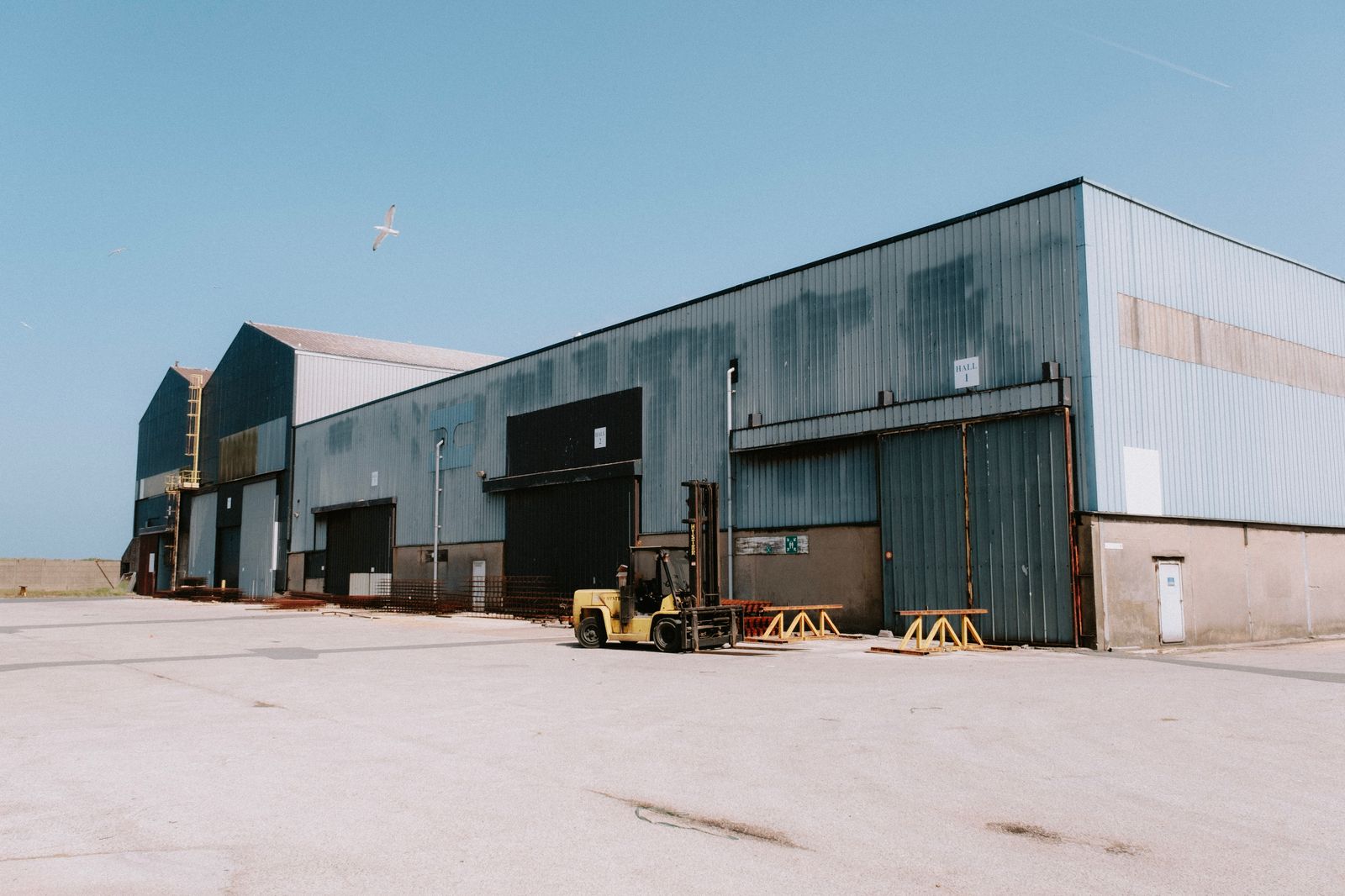
Distribution buildings have more roof than load. That is an unusual problem to have, and it changes the question from how much you can generate to what you are going to do with it.
The load
A 300,000 square foot distribution centre might carry only a few hundred kW of electrical load: lighting, dock equipment, HVAC in the office block and a battery room for the forklifts. The roof could physically carry several megawatts.
That gap means self-consumption is the constraint, not roof area. An array sized well beyond the daytime load exports a large fraction of its output, and exported energy is usually credited below the retail rate you avoid by consuming it. Sizing to the load shape, not the roof, is what keeps the payback honest.
Then the fleet arrives. Electric yard tractors, delivery vans and Class 8 trucks change this profile completely, adding hundreds of kW of new demand and turning an over-sized array into a well-matched one. Planning the array and the charging infrastructure together is the whole play here.
Forklift charging is the existing version of that story. Lead-acid and lithium fleets charging between shifts create a predictable, schedulable load that can be moved into the generation window with nothing more than a policy change.
Load inventory
| Load | Behaviour |
|---|---|
| High-bay LED lighting | Often already retrofitted, with occupancy control cutting it further |
| Forklift charging | Predictable, schedulable, and easy to move into the solar window |
| Dock levellers, doors and fans | Shift-driven and modest, spiking with truck volume |
| Office and cross-dock HVAC | Summer afternoons, well matched to peak generation |
| Fleet EV charging | The load that will reshape this sector, and the reason to plan capacity now |
How we approach it
Roof area is rarely the binding constraint here. Self-consumption is, and over-sizing hurts the return.
Conduit, switchgear capacity and panel space for future chargers cost little now and a great deal later.
Moving battery charging into midday raises self-consumption with zero capital expenditure.
Few penetrations and long uninterrupted runs mean efficient racking and fast installation.
Answers
Not covered here? Our engineers answer directly, not through a call centre.
Ask a question(661) 555-0183Rarely, unless you have a firm plan for the surplus. Beyond the point where output exceeds daytime consumption, each additional kW earns the export credit rather than the retail rate you avoid. Fleet charging changes that calculation, which is why we ask about it early.
No, but it changes the structure. Landlord consent, remaining lease term and who takes the tax benefit all need settling first. A power purchase agreement sometimes suits a tenant better than a capital purchase.
Substantially. A dozen electric yard tractors or vans can add several hundred kW of new demand and a large nightly kWh requirement, which turns an over-sized array into a correctly sized one.
Most modern tilt-up and pre-engineered metal buildings can carry a ballasted array, but bar-joist spans vary and older buildings do not always have the reserve. A structural review answers it properly.

Every project starts with twelve months of interval data and a load shape. The array comes after that, sized to what you actually use.
CSLB #1071482 (sample). Prevailing wage on public works. Engineers answer, not a call centre.
We value your privacy
We use cookies to run this site, remember your preferences and understand how it is used.Cookie policy