You never pay the reset twice
Removing and reinstalling an array to replace a membrane underneath it is pure cost with zero added generation.
Commercial solar EPC since 2014
Kern County / Tulare County / Kings County / Fresno County
(661) 555-0183Solution
The array will outlive the membrane underneath it. If the roof has under eight years left, doing solar first means paying twice: once to remove it and once to put it back.
Overview
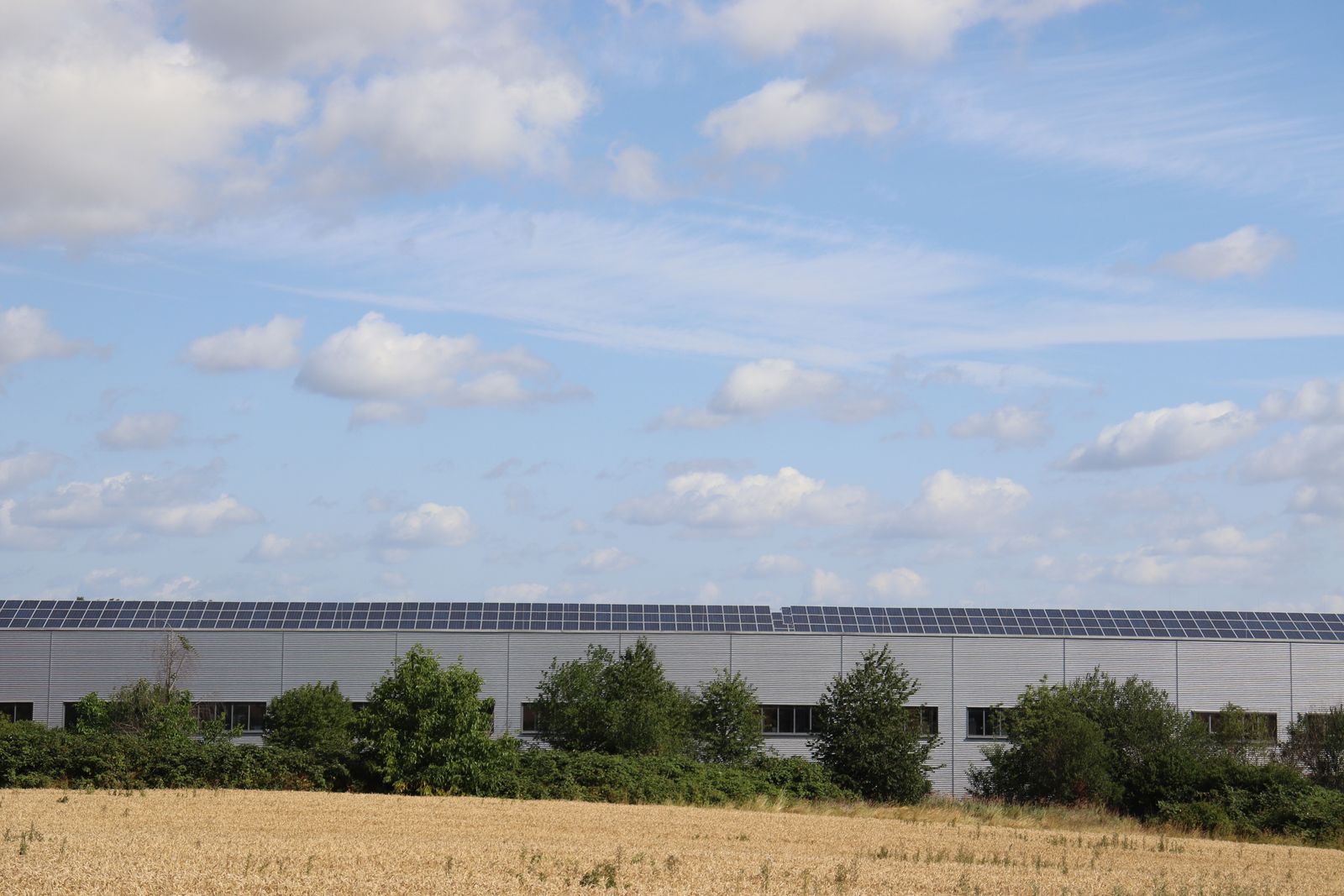
A commercial single-ply membrane has a service life. A solar array has a 25-year production warranty. If those two numbers do not line up, the building owner absorbs a remove-and-reset cost somewhere in the middle, and it is never budgeted.
So we survey the roof properly before the array is designed. Core samples where warranted, a moisture scan of the insulation, seam and flashing inspection, drain and ponding assessment, and a written remaining-life estimate with the manufacturer's warranty status attached.
Where the roof needs replacing, the sequence is simple and the savings are real: reroof, then install. One mobilisation, one crane, one set of safety rails, and the array lands on a membrane with its full warranty ahead of it. Doing it in that order typically costs far less than doing it in the wrong order and paying the reset.
We work with the membrane manufacturer throughout so the roof warranty is continued rather than quietly voided. That documentation matters when a leak shows up in year seven and two contractors are pointing at each other.
Scope of supply
Sequence
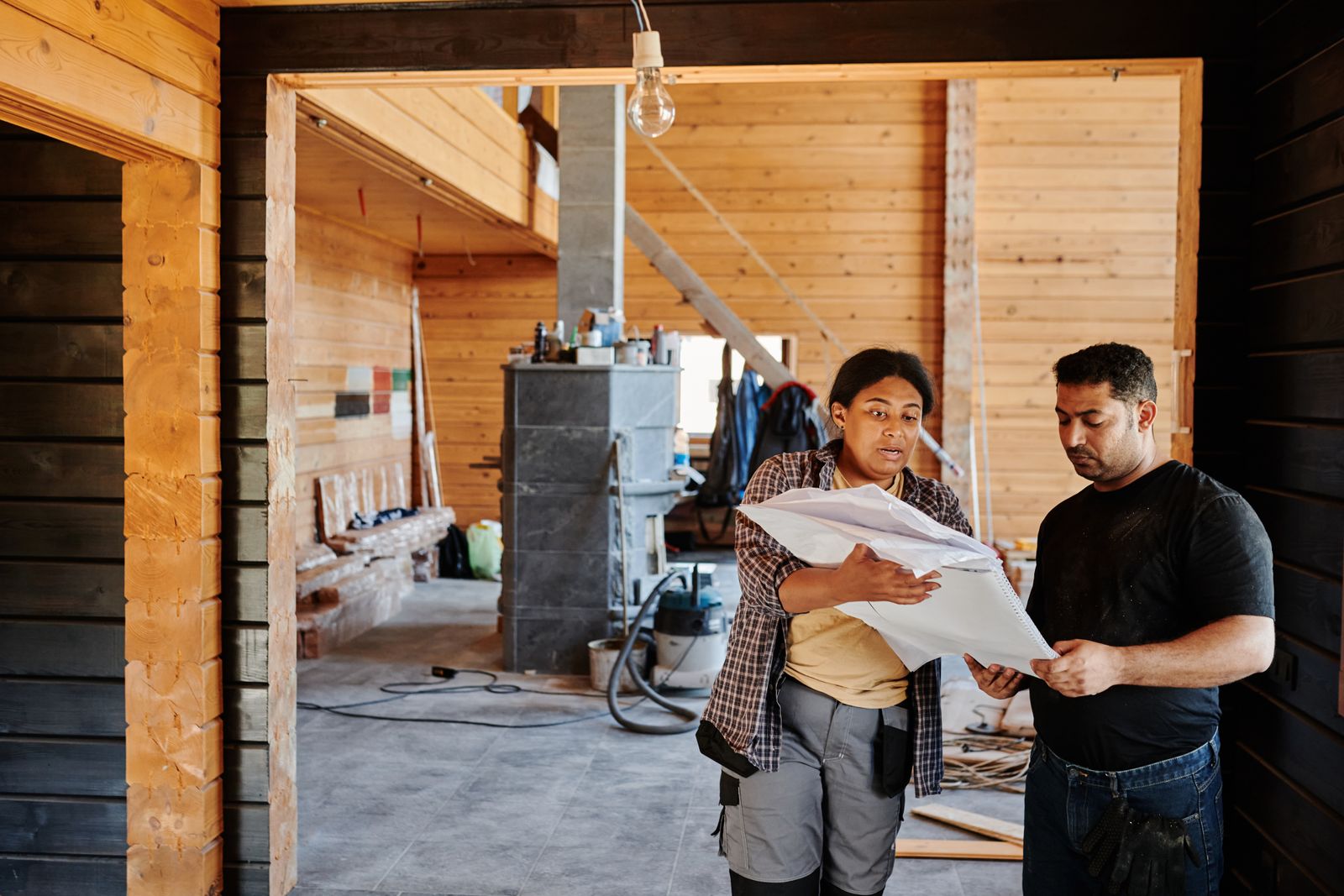
Walk the roof, scan for moisture, core where needed, and write down what is actually up there.
Reroof first, install now, or a partial overlay on the array footprint only. The membrane's remaining life decides.
Roofing scope and array layout drawn together so nothing lands on a seam or blocks a drain.
Membrane goes down, slip sheets and pads go in, racking follows, all inside one site set-up.
Roofing manufacturer documentation, array as-builts and the combined maintenance schedule, handed over as one file.
Why it works
Removing and reinstalling an array to replace a membrane underneath it is pure cost with zero added generation.
Shared crane time, shared safety set-up and shared site access take real money out of the combined job.
Manufacturer-approved details, submitted and documented, so you still have a warranty in year nine.
Wet insulation discovered before the array goes on is a repair. Discovered afterwards it is a demolition.
What moves the price
| Factor | Effect on the project |
|---|---|
| Remaining membrane life | Under 8 years strongly favours reroof-first; over 15 years usually means install now |
| Existing warranty terms | Some warranties require manufacturer approval and specific details before anything is attached or ballasted |
| Insulation moisture | Saturated areas must be cut out and replaced, which is discovered work and needs a contingency |
| Deck type and condition | Corroded steel deck or a rotted nailer changes both the reroof and the attachment strategy |
| Drainage and ponding | Ponded areas need slope correction before racking, or you build a problem into a 25-year asset |
Often paired with
Answers
Not covered here? Our engineers answer directly, not through a call centre.
Ask a question(661) 555-0183Membrane type and age set the baseline, then condition adjusts it: seam integrity, flashing condition, ponding, UV degradation and moisture in the insulation. We write the estimate down with the evidence behind it rather than offering an opinion on site.
Sometimes, and it can be a sensible compromise on a large roof with a small array footprint. It does create a transition detail and a mixed-age roof, so we only recommend it when the geometry is clean.
The membrane manufacturer holds the roof warranty, continued through their approved detail and documented submittal. We hold the workmanship warranty on the array and its attachments. You get both in writing.
It adds time to the front of the programme, typically a few weeks on a mid-size roof. Since the interconnection application is running in parallel, it often costs less calendar time than it appears to.

Every project starts with twelve months of interval data and a load shape. The array comes after that, sized to what you actually use.
CSLB #1071482 (sample). Prevailing wage on public works. Engineers answer, not a call centre.
We value your privacy
We use cookies to run this site, remember your preferences and understand how it is used.Cookie policy