
Commercial solar EPC since 2014

Kern County / Tulare County / Kings County / Fresno County

(661) 555-0183

Design decisions

Shading analysis and inverter topology

Modules wired in a string share a current, so the weakest module sets the pace for the rest. The shape of the shadow, and whether it moves, decides which of the three topologies is worth paying for.

Topologies
String, optimiser, micro
Analysis
Per string zone
Typical roof loss
3 to 9 percent
Cheapest fix
Layout, not hardware
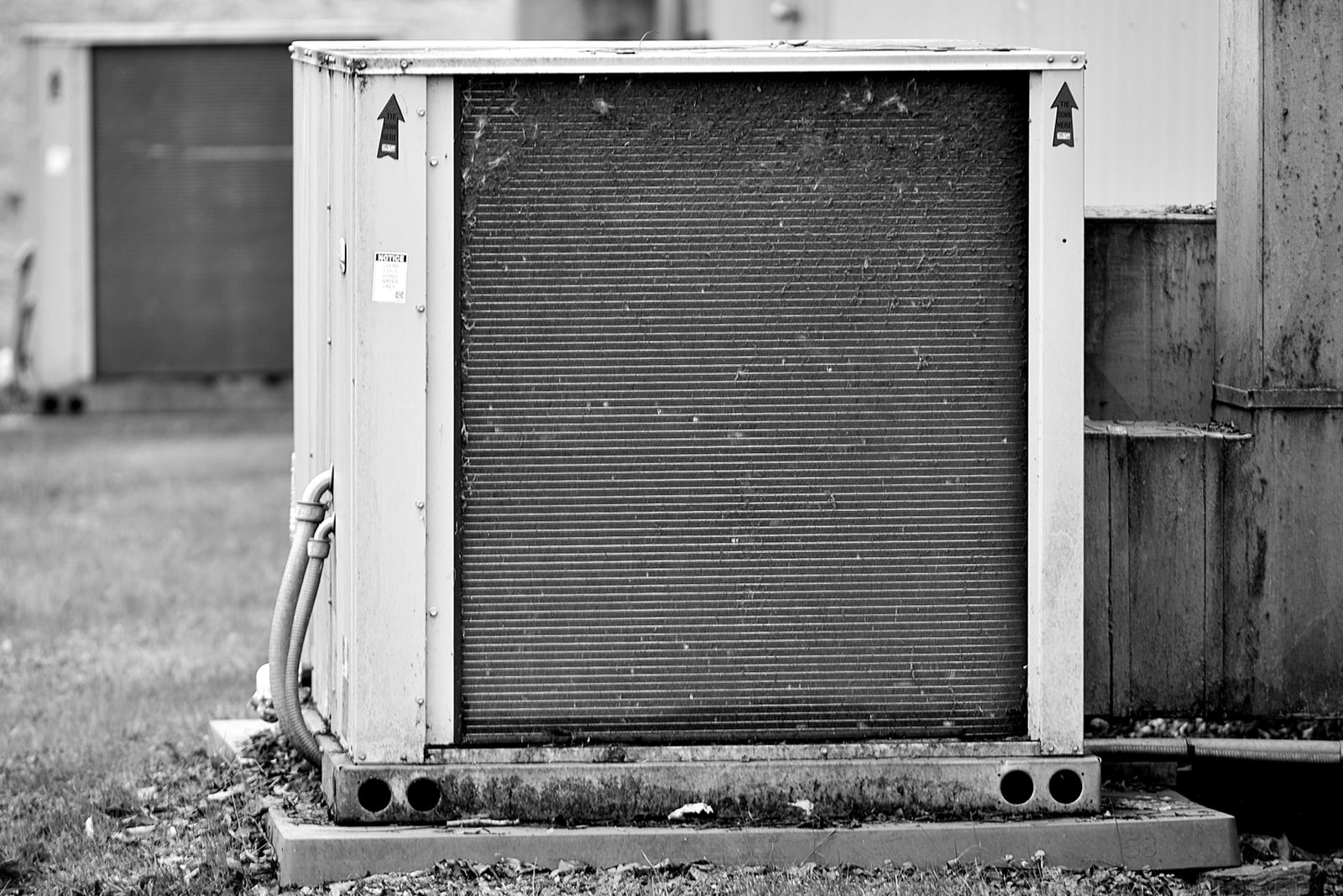
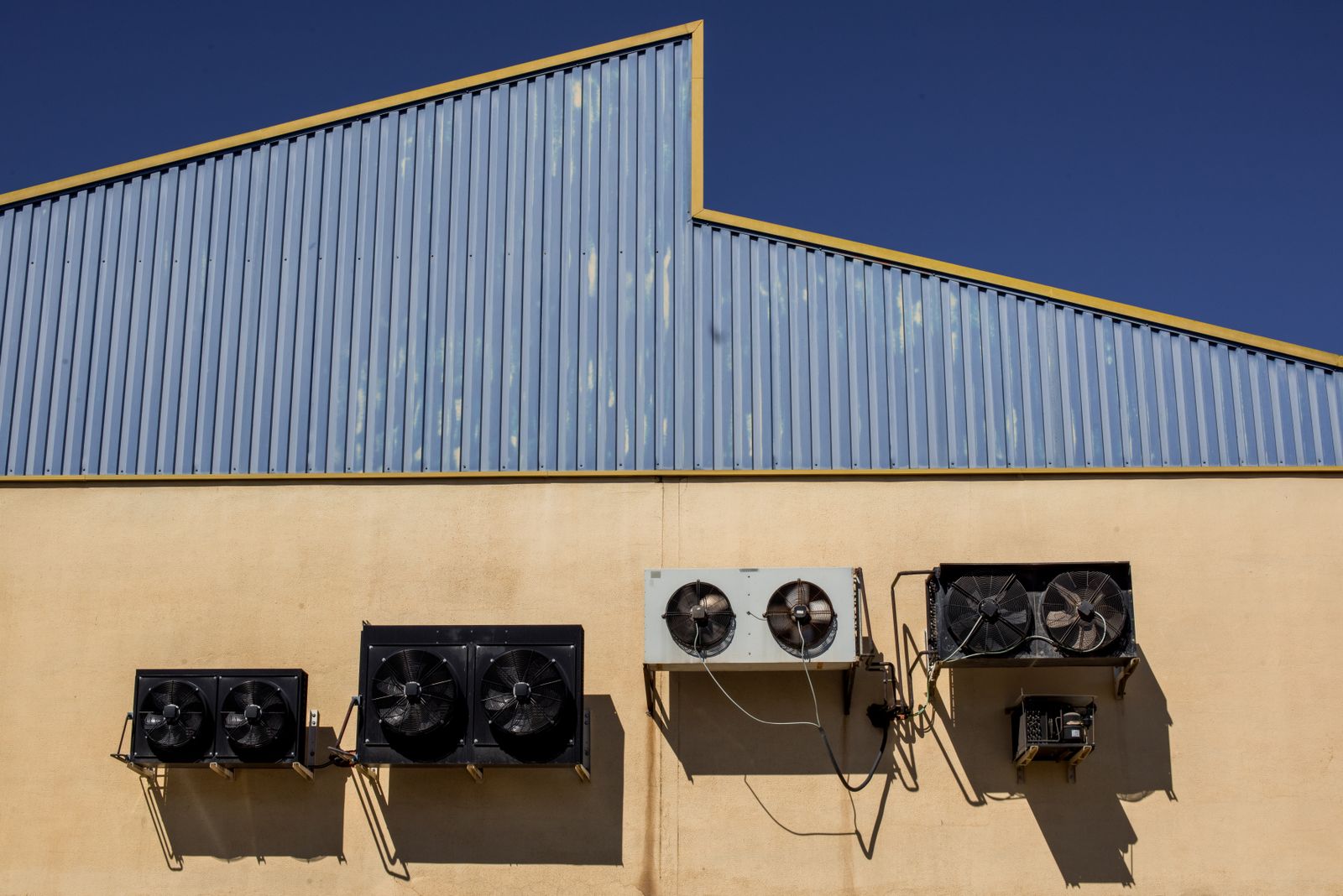
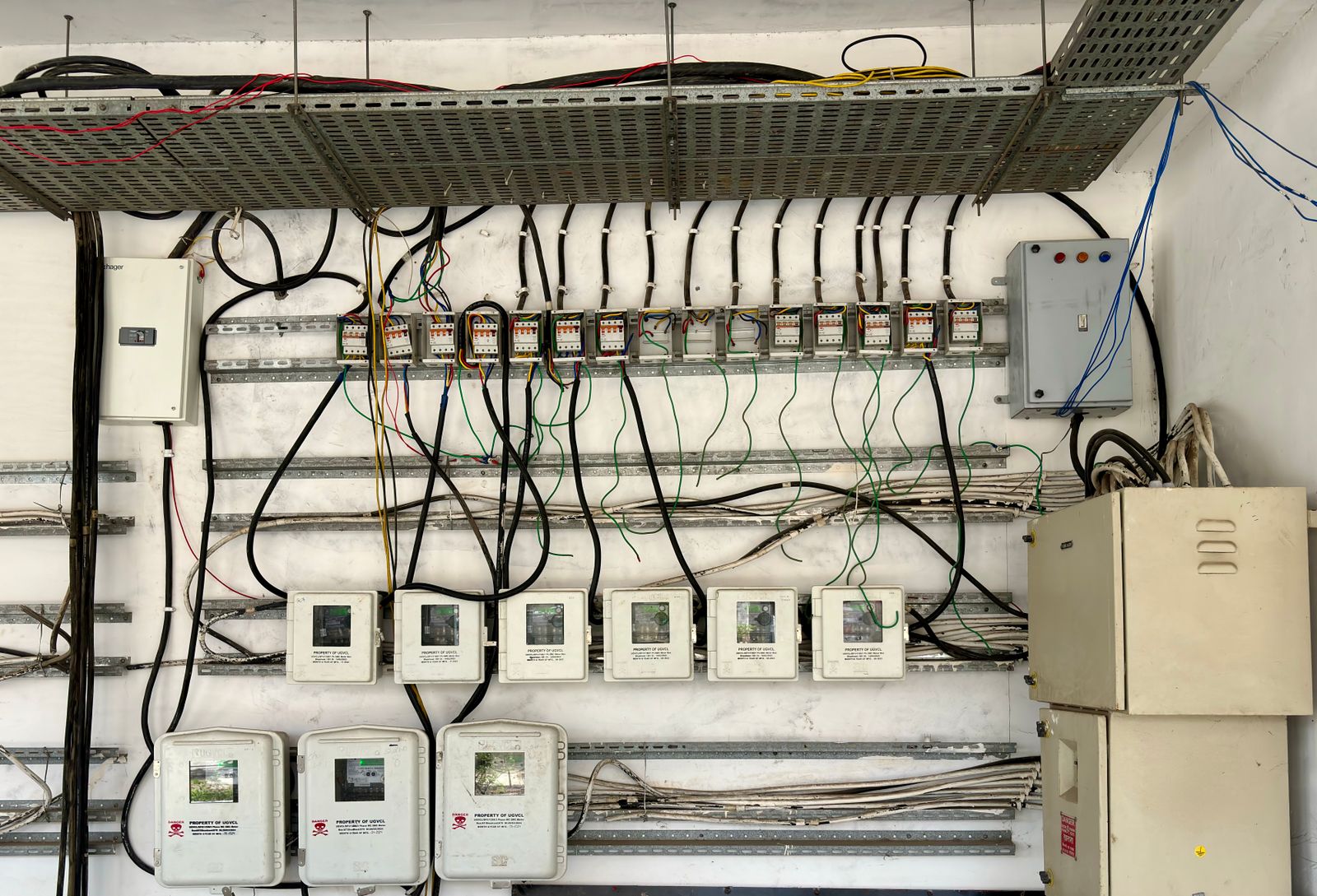
Rooftop mechanical units casting shadows across a commercial roof

Shading and inverter topology

One shaded module can drag down a whole string

Modules in a string carry the same current, so the weakest one sets the pace. What the shadow looks like, and how it moves, decides whether you need optimisers, microinverters, or just a better row layout.

Rooftop HVAC curbs
Where
Packing sheds, offices, schools
Pattern
A moving shadow that crosses a few modules in one or two strings for part of the day
Typical loss
Typically 4 to 9 percent of array output, concentrated in the affected strings
What we specify
String inverter with DC optimisers on the affected strings only

The shadow is localised and moves. Optimisers on the shaded strings recover most of the loss without paying for module-level electronics across the whole array, and they keep the simple, serviceable string architecture everywhere else.

Parapet walls
Where
Any roof with a raised perimeter
Pattern
A hard band of shade along the north and west edges in winter, largely gone by May
Typical loss
Predictable and seasonal, worst in December, near zero at the solstice in June
What we specify
Plain string inverter, with the first row set back out of the winter shadow

Parapet shade is geometric and entirely predictable, so the answer is layout rather than electronics. We calculate the winter shadow length and start the array beyond it. Electronics cannot recover energy from a module that should not have been placed there.

Inter-row shading
Where
Tilted rooftop rows and ground-mount fields
Pattern
Row shading row in the first and last hours, worst around the winter solstice
Typical loss
Set by row pitch, not by equipment: from under 1 percent to well over 5 percent annually
What we specify
String inverter with rows wired along the shade line

The fix is row pitch and string wiring, not hardware. We space rows against the winter-solstice sun altitude, then wire each string along the row so the whole string dims together rather than one module dragging a healthy string down.

Vents, stacks and conduit
Where
Processing plants and older industrial roofs
Pattern
Many small, scattered shadows falling on single modules throughout the day
Typical loss
Individually tiny, collectively 3 to 8 percent, and spread across most strings
What we specify
Microinverters, or module-level electronics across the affected zone

Scattered single-module shading is the one case that genuinely justifies module-level conversion. When the losses are spread across every string, per-string optimisation has nothing clean to protect, and per-module independence recovers the most energy.

Tree lines and neighbouring structures
Where
Ground-mount edges, school and civic sites
Pattern
A slow seasonal encroachment that gets worse every year as canopies grow
Typical loss
Starts near zero and grows, which is what makes it dangerous in a twenty-year model
What we specify
Keep the array out of it, and write the vegetation management into the O&M contract

The mistake is modelling today's shadow for a twenty-five year asset. We model the mature canopy, set the array boundary against it, and put the trimming schedule in the maintenance agreement so the loss does not creep back in.

Soiling and dust bands
Where
Everywhere in the San Joaquin Valley
Pattern
Uniform film plus a heavier band along the lower module edge where dust collects
Typical loss
Not shading in the electrical sense, but it behaves like it on the bottom cell string
What we specify
No topology fixes this. Scheduled washing, timed against measured loss, does

Dust builds through a dry season that runs May to October. The lower-edge band is the part that matters, because it can put the bottom cell string into bypass and cost far more than the uniform film alone. It is a maintenance problem, not an equipment problem.

The three choices

String, optimiser or microinverter

There is no universally best topology. There is a best topology for a given shading pattern, at a given scale, with a given service expectation.

String inverter

One inverter per 50 to 250 kW block

Clean, unshaded roofs and ground-mount fields

Strengths

  • Lowest cost per watt
  • Fewest components on the roof
  • Simple to service, one box to swap
  • Highest conversion efficiency in the class

Trade-offs

  • One shaded module can pull down its whole string
  • String-level monitoring only, unless optimisers are added
  • Inverter replacement at roughly year 12 to 15 is a planned event

Monitoring resolutionPer string
String plus DC optimisers

Optimiser per module or per pair, string inverter behind

Mostly clean arrays with a few known shaded zones

Strengths

  • Recovers most shading loss where it is applied
  • Module-level monitoring and fault location
  • Module-level rapid shutdown built in
  • Can mix module orientations on one string

Trade-offs

  • More devices on the roof means more potential failure points
  • Higher cost per watt than plain string
  • Optimiser faults need roof access to diagnose

Monitoring resolutionPer module

Microinverters

One inverter per module or per two modules

Complex roofs with scattered obstructions and many orientations

Strengths

  • Every module operates completely independently
  • Best tolerance of scattered shading
  • No single point of failure across the array
  • Module-level monitoring as standard

Trade-offs

  • Highest cost per watt at commercial scale
  • Many AC devices distributed across the roof
  • Service means locating and reaching one module among hundreds

Monitoring resolutionPer module

Method

How we run a shade study

  1. Drone survey. A photogrammetry pass over the roof or parcel produces a dimensioned model with every curb, duct, parapet, stack and neighbouring structure in place.
  2. Sun path model. The model is run against the sun path for the site's latitude, hour by hour, across the year, so we see the shadow move rather than a single worst-case snapshot.
  3. Zone the roof. The array area is divided into zones by shading behaviour: clean, seasonally shaded, and scattered. Those zones become string groups.
  4. Loss per zone. Annual energy loss is reported per zone, not as one array number, because the decision is made per zone.
  5. Topology by zone. Plain string on the clean zones, optimisers on the seasonally shaded ones, module-level conversion only where losses are genuinely scattered.
  6. Layout first. Before any of that, rows get moved. Energy recovered by electronics is always worth less than energy never lost.

Answers

Shading and inverters: questions

Not covered here? Our engineers answer directly, not through a call centre.

Ask a question(661) 555-0183

Modules wired in a string carry the same current. If one module is shaded and can only pass 40 percent of the current, it tries to hold the whole string to 40 percent. Bypass diodes limit the damage by short-circuiting affected cell strings, but the module still stops contributing and the string voltage drops.

They are better when shading is scattered across many strings, because each module operates independently. They are more expensive per watt at commercial scale and put many AC devices on the roof, so on a clean array they buy nothing and cost a lot.

A DC optimiser sits at the module and converts its output so the module can run at its own maximum power point while the string still runs at a fixed voltage. It recovers most of the shading loss on the modules it is fitted to, and it gives you module-level monitoring and rapid shutdown.

Yes, and on commercial roofs that is usually the right call. Fit them to the strings that carry the shaded modules and leave the clean strings on plain string inverters. You pay for the recovery where it exists rather than across the whole roof.

A drone survey plus a shade model run against the sun path for the site's latitude across the year. We report the annual loss per string zone, not a single number for the array, because the whole point is that shading is local.

Electrically it behaves similarly, particularly the heavy band along the lower module edge that can drive a cell string into bypass. But no inverter topology fixes dirt. That is a washing schedule driven by measured performance loss.

Send us a roof plan and we will find the shadows

A shade study is part of every assessment we run. It is also the part that most often changes the equipment list.

CSLB #1071482 (sample). Prevailing wage on public works. Engineers answer, not a call centre.

Cookie preferences

Choose which cookies you allow. You can change this at any time from the link in the footer.